Mindfulness

Mindfulness

Dear Reader,

Mindfulness is a state of being that involves clear awareness of the present moment, non-judgmental attention, and self-compassion. At its core, mindfulness is about learning to live in the in the here-and-now, letting go of negative thoughts and emotions, and cultivating a sense of inner peace and calm. Most people learn to reach the mindful state through meditating in silence, sometimes twice a day for several weeks. I found that I could guide people into a mindful state through a single experience using a high-speed technique I developed combining guided imagery, self-hypnosis, and deep relaxation.

While developing the Mind-Tools of Mind-Body Medicine and self-healing, I found that states of deep relaxation were crucially important in disarming the subconscious mind of its  stress reaction. Disarmed, the subconscious can no longer pour the corrosive and disease-producing chemicals of the stress reaction into the blood stream. Moreover, when a person is in a deeply relaxed state, it is much easier to communicate with the subconscious mind because the mind’s protective barriers are removed. The subconscious becomes receptive to rescripting unwanted behaviors of mind, body, emotions, or behavior and the brain is literally rewired.

The Benefits of Living Mindfully

Simply training oneself to be mindful brings many general benefits. Studies have shown that regular mindfulness practice can reduce stress and anxiety, improve sleep quality, boost immune function, and increase overall well-being. Mindfulness has also been shown to improve focus and concentration, increase empathy and compassion, and enhance relationships.

One of the most significant benefits of mindfulness is its ability to reduce stress. In today’s fast-paced world, stress has become a widespread problem. We are confronted with literally hundreds of problems, ranging from climate change, the threat of nuclear war, social unrest, crime, financial challenges, relationship misunderstanding … the list is endless. And each one of these triggers another burst of stress chemicals meant to help us in physical fight or flight situations. This gradually leads to a host of health problems, both physical and mental. Mindfulness helps us to become more aware of our thoughts and emotions, allowing us to identify stress triggers and manage them more effectively. By helping you reduce your stress level, mindfulness can help you improve your overall health, enabling a more fulfilling and enjoyable life.

Another benefit of mindfulness is its ability to improve mental health. Mindfulness has also been shown to be an effective treatment for anxiety and depression, two of the most prevalent mental health disorders in the world today. As you cultivate self-awareness and non-judgmental attention,  you will find mindfulness helps you to identify negative thought patterns and break free from them, leading to a greater sense of inner peace and happiness.

In addition to its mental health benefits, mindfulness also brings physical health benefits. Regular mindfulness practice has been shown in clinical studies to reduce blood pressure, improve immune function, and even lower the risk of chronic diseases such as heart disease and cancer. Mindfulness reduces inflammation and boosts immune function, and can help you to stay healthy and vibrant, even as you age.

How to Practice Mindfulness

Despite its many benefits, mindfulness is often misunderstood or overlooked by many people. Some see “mindfulness” as a trendy but ultimately empty buzzword, while others believe that its practice would be too difficult or time-consuming for them. Still other people may view mindfulness as part of an esoteric spiritual system or religion to which they do not belong or to which they cannot relate. The truth is that mindfulness is a simple and accessible practice that anyone can benefit from.

To start practicing mindfulness, all you need is a few minutes of quiet time each day. You can begin by sitting comfortably and simply focusing on your breath, observing the sensation of air moving in and out of your body. Whenever your mind wanders, gently bring it back to your breath, without judgment or criticism. Over time, you will find that mindfulness becomes easier and more natural. It is as if mindfulness is a new muscle you have discovered, and each time you practice using it, your mindful focus becomes stronger. You get into the rhythm of mindfulness faster each time, and you become more aware of how much clearer is your thinking, how much brighter the colors and sensuous the sounds and textures around you each day. fMRI scans begin to show the neural tracts leading from your prefrontal cortex (your brain’s brain) to your limbic system grow thicker, giving you ever greater ability to calm and direct your emotional reactions.

Indeed, mindfulness is a powerful practice that has the potential to transform your life in countless ways. By learning to live in the present moment, letting go of negative thoughts and emotions, and cultivating a sense of inner peace and calm, you can improve your mental and physical health, reduce stress, and increase overall well-being. So why not give mindfulness a try today and see what benefits it can bring to your life?

Sincerely,

Emmett Miller, MD

What is Mind-Body Medicine?

What is Mind-Body Medicine?

Mind-Body Medicine is the revolutionary approach first introduced by Dr. Miller in the 1970s. It differs from mainstream medicine in that it recognizes the profound connections between mind, body, emotion, and spirit, and harnesses their power to unleash healing and transformation. Mind-Body Medicine comprises a dynamic, all-encompassing paradigm that blends ancient wisdom with modern science to tap the innate healing potential of the human body.

As you may be well aware, whenever something happens to the mind there is an impact on the body, and anything that happens to the body affects the mind in some way. Mainstream medicine for so many years has missed this truth, and has failed to pay attention to and treat both aspects of a patient when there has been trauma to either mind or body.

The Mind-Body discipline recognizes that our thoughts, feelings, and beliefs profoundly impact physical health and well-being. Its approaches to treatment emphasize the fact that human beings are not just a collection of organs and tissues but complex, integrated living systems. This perspective empowers us to take control of our own health by drawing on the vast, untapped reservoirs of wisdom and healing energy that reside within us.

Accessing this potential through a range of transformative practices such as meditation, deep relaxation, hypnosis, cognitive restructuring, and guided imagery, you can unlock the healing power of your mind and body and overcome challenges to your health, happiness, and success. These Mind-Tools will show you how to focus your mind and emotions to promote healing and well-being, and connect with your true Self.

Mind-Body Medicine and Your Emotions

It is important to note that from the beginning, Dr. Miller’s approach has acknowledged that the “Big Four” aspects of  Mind, Body, Spirit, and Emotions all contribute to healing, though for ease of reference its name has been shortened to “Mind-Body Medicine.” It is vital to recognize that our emotions are directly produced by the subconscious Limbic System, and commonly serve as the trigger of physical symptoms and illnesses; as well as mood disorders such as anxiety, depression, and rage; and habit disorders such as addiction.

When we have learned to quiet the Limbic System–what Dr. Miller refers to as “the monkey mind”–through Mind-Tools such as meditation, self-hypnosis, or prayer, our higher mind becomes free to deal with the source of our problems through analysis and strategy. By guiding yourself into states of deep relaxation, you can let go of the Monkey Mind’s distracting thoughts and sensations and allow yourself to be present in the “here and now.” Once your awareness is no longer being diverted by disquieting thoughts of the past or anxious projections of the future, guided imagery can begin to work its magic on you. Initially it can take you to a special place–perhaps a sacred place–in your imagination, where body, mind, spirit, and emotions can begin to heal.

In this state, you can gain access to your wisdom and visualize making life choices based on reality and your true abilities. What’s more, this deeply relaxed and focused state frees you to open fully to your inner spiritual guidance.

Mind-Body Medicine and the Spirit

Authentic Mind-Body practitioners always consider the “spiritual” dimension of each patient/client. Each of us has a higher mind, the conscious, intentional, rational, analytical intellect. Most illnesses and dysfunctions represent situations in which the subconscious “monkey mind” is making decisions, triggering emotions and behaviors, and frustrating our conscious intentions. In spite of our good intentions, however, the choices we make to influence this subconscious behavior are often unwise or illogical, usually because they are affected by anxiety and stress reactions that actively inhibit the clear thinking of the conscious mind.

Fortunately, there is another level we might think of as the “spiritual” or philosophical level. We all have this; it is the part of us that storehouses our spiritual principles, our deepest values, our ideal selves. Even if we practice no established religion or faith, we all have personal values and an inner model of the kinds of thoughts, words, and actions we “should” have or perform. higher level is closely allied with the place of wisdom and wise action within. To act wisely is to make a choice in the present that you will look back on approvingly in several weeks, months, or years and think, “that was smart of me.” This is seldom the choice we make when we act out of fear or anger!

The state of deep relaxation is of central value in Mind-Body Medicine because it enables us to bypass the anxiety/stress factor and access the highest sense of who we are or want to be. This is one of the ways Mind-Body Medicine includes our spiritual dimension. It enables us to align our choices with these principles and visualize ourselves behaving according to them in thought word and deed, training ourselves, and rewiring the nervous system.

The Evidential Basis of Mind-Body Medicine

In the 1970s and 1980s, mainstream medical and psychological professionals were hesitant to consider an approach that, although logical and based on sound theory, could boast very few peer-reviewed double-blind studies. Those studies were slow in coming for many reasons, including:

• We did not yet have measuring instruments that could detect the changes the mind was creating (e.g., changes in antibody levels).

• Pharmaceutical companies, the prime source of funding for research, were not interested in proving the efficacy of tools that might massively lower their profits.

• Much longer timeframes are often needed for such studies, compared to the few weeks or months necessary to show the usefulness of a new symptom-reducing drug.

By the 1990s, however, our ability to carry out these experiments had improved, and in the decades since the mind/body approach was introduced, tens of thousands of studies have clearly demonstrated the enormous impact our thoughts, beliefs, and emotions have on every system in the body. Mental and emotional stress has been linked to nearly every illness, right up to and including the top five causes of death: heart disease, cancer, respiratory disease, accidents, and suicide. And to top it all off, some stressors shorten your Telemeres (Telomeres are special DNA sequences that protect the ends of chromosomes from becoming frayed or tangled. and shorten your life.*

For instance, according to The Mayo Clinic, The American Heart Association, and the National Institute of Mental Health:

    • 43 percent of adults suffer adverse health effects from stress.
    • 75 to 90% of all doctor’s office visits are for stress-related ailments and complaints.
    • Stress is part of the etiology of physical illnesses, including hypertension, heart disease, diabetes, skin conditions, headaches, asthma, arthritis, and others.
    • Stress in the workplace costs American industry more than $300 billion annually.
    • 50% of emotional disorders last a lifetime due to chronic, untreated stress reactions.

Meanwhile pharmaceutical companies spend millions or even billions of dollars researching chemicals to treat the symptoms of these illnesses, and producing drugs that sell for exorbitant sums. But what percent of patients who go to a doctor with these diseases will be given tools to treat the underlying source?

On the positive side, many modern training institutions have begun to train students in this new field, but huge systems change slowly, especially when success would lead to significantly lower profits. No doubt that if pharmaceutical companies could make the kind of profits from these techniques that they do from peddling pills to treat symptomatic relief, they would have sold you these mind tools long ago. Dr. Miller offers you these empowering techniques here for small fraction of the cost of mainstream medical care.

Get started now with some samples below.

*  Shorter telomere length is associated with advancing chronological age and also increased disease morbidity and mortality. Emerging studies suggest that stress accelerates the erosion of telomeres from very early in life and possibly even influences the initial (newborn) setting of telomere length. Psychoneuroendocrinology. 2013 Sep; 38(9): 1835–1842.  (10.1016/j.psyneuen.2013.03.010 – see: https://www.sciencedirect.com/science/article/abs/pii/S0306453013001054?via%3Dihub)

Meditation

Meditation

Meditation is a powerful tool that has been used for thousands of years to promote inner peace, reduce stress, and cultivate a state of mind that is peaceful, focused, and free from distraction. Generally, in all of these cultures, meditation is part of the religious practice of the shaman, priest, or medicine man, and sometimes it is taught to all members of the community, often in the form of “prayer.”  However, at the heart of all forms of meditation lies the goal of achieving a mind characterized by clarity, calmness, and presence.

Traditionally, meditation involves sitting quietly while focusing on an object, a sound, or the breath, for instance. Dr. Miller has developed ways to augment the meditative experience with the soothing guidance of his voice, enabling more rapid entry into a deeper meditative state. When the doorway to the subconscious has been opened, we can travel through time and space to decondition past patterns and create new behaviors and beliefs. This “guided meditation” is at the essence of his self-healing approach.

The meditative state of mind is almost a pre-requisite for achieving spiritual, physical, and emotional well-being, and it profoundly impacts our overall health and happiness. A meditative state is often achieved simply through mindfulness, a practice in which we are free of thoughts, feelings, and sensations that trigger anxiety and confusion and instead focus our attention on the absolute peace of the present moment. Mindfulness is characterized by a deep sense of serenity and contentment, a feeling of connectedness with the world around us, and a heightened sense of awareness and clarity.

Another popular form of meditation is loving-kindness meditation. This practice involves cultivating feelings of compassion and kindness towards ourselves and others. By focusing our attention on feelings of love and kindness, we are able to shift our focus away from negative emotions and cultivate a greater sense of connection and well-being.

No matter what type of meditation practice we choose, the benefits of achieving a state of mind characterized by presence, clarity, and calmness are clear. By cultivating a regular meditation practice, we can experience greater spiritual connection, improved physical and mental health, and a greater sense of happiness and contentment in our daily lives.

Meditation has lately achieved a measure of mainstream popularity because of its remarkable physical and emotional benefits. It has been shown to reduce stress, lower blood pressure, improve sleep quality, boost the immune system, and reduce symptoms of depression and anxiety. Regular meditation practice has also been demonstrated by fMRI studies to increase gray matter in the brain in areas associated with memory, attention, and emotional regulation.

Emotionally, the meditative state can help us develop greater self-awareness and emotional intelligence. It can help us better understand our thoughts, feelings, and reactions and give us greater control over them. We are less likely to be overwhelmed by difficult emotions or external circumstances and more able to experience inner peace and joy regardless of those circumstances. Through meditation, we discover how to navigate the ups and downs of life with equanimity and grace.

Nearly all religions include some form of meditation among their sacred practices. Religious practitioners find this state of mind important spiritually because they believe it allows a deeper connection with our deepest selves and the ability to tap into the infinite wisdom and guidance within and all around us. Quieting the mind and cultivating inner stillness enables us to access a higher level of consciousness and expand our awareness beyond the limitations of our physical bodies.

Perhaps most importantly, the meditative state is essential for our overall happiness and well-being. When we are in this state of mind, we can let go of the worries and stresses of daily life and focus on what is truly important. We can connect with our inner selves and find meaning and purpose in our lives. We can cultivate a deep sense of gratitude for all of the blessings in our lives and develop a more positive and optimistic outlook.

How to Meditate

Here is a simple meditation exercise for learning how to meditate. By practicing the simple meditation technique described below, you can gradually learn to clear your mind and become more centered.  It consists of two parts:

First you will focus on the flowing nature of unlabored, easy breathing,
Second, enjoy a simple technique for clearing your mind.

1.  Flow of Breath Technique
When learning how to meditate, first choose a quiet place where you will not be disturbed for ten minutes or more, and be seated in a comfortable position. You may choose to sit in the traditional cross-legged posture but this is not necessary in order to gain the benefits of meditation. Allow your eyes to relax closed, or leave them open just a tiny slit, and focus your attention on your breathing.

Breathe naturally through your nostrils. Avoid trying to control the breath and focus your awareness on the sensation of the breath as it enters the body – the cool feeling in your nostrils, and the warmth as it leaves. Feel the rising and falling of your chest and abdomen, and let a steady rhythm of your breathing in and out be the object of this meditation. Concentrate on your breathing, especially the exhalation, to the exclusion of everything else.


2.  Mind Clearing
You may discover your mind will be very busy with mind-chatter. At first it may seem meditating is making your mind even busier. This is an illusion; you are simply becoming more aware of how busy your mind is, ALL THE TIME.

Continue your focus on your breathing. Ignore random thoughts that may tend to clutter your mind. Let them slip away; focus on your breathing. You might imagine that the thoughts leave your mind with each exhalation.


Benefits of Meditation

Practice this for 10-20 minutes once or twice a day. You will soon notice your mind feeling clearer, not only right after you sit, but throughout the day. You may or may not notice the benefits of meditation immediately. These methods of meditation require attention – and practice. Don’t expect that you will eliminate all the mind chatter on your first or second try.  Stick with this process as a daily practice and you will soon be able to evaluate it’s effects.

Though meditation may seem frustrating or a bit tiring at first, after daily practice and patience, you will find the distracting thoughts subside and eventually yield to a deep sense of restful alertness and deep relaxation. You will feel refreshed and think more clearly at the end of your meditation exercise. Similarly, as you quiet your distracting thoughts through your focus on your breath, you achieve the clarity that you so desperately crave.


Follow through

Stay with this Breath and Mind Clearing meditation exercise for a while. You will rapidly feel positive physical and emotional results with daily meditation. Allow yourself the time to enjoy this Breath and Mind Clearing meditation technique and notice a decrease in stress and the open feeling that comes to your relaxed mind.

What is Self Healing?

What is Self Healing?

What is Self-Healing?

So we don’t need doctors, or hospitals, or expensive drugs? We don’t need healthy diets, or regular exercise, or chiropractic adjustments?  Great!

Well, not exactly. The practice of Self-healing does not dismiss the importance of medical treatment, especially for acute injury or illness. And beneficial practices like exercise and a healthy lifestyle are excellent and sometimes necessary complements to Self-healing. However, at its core, Self-healing refers to activating the innate ability our bodies possess to heal themselves, through the use powerful, self-applied Mind-Tools.

As you know, when you cut a finger or bruise your knee, your body heals itself. When you take antibiotics for an injury or infection, they don’t heal you, they just weaken the bacteria; it’s your immune system that kills and removes the bacteria from your body. Similarly, the cast on your broken arm just prevents movement from disrupting the repair, and the surgeon who removes a cancer just removes an impediment. In every case, the body must repair the damage.

Consider this: our bodies are intricately designed to repair and restore themselves; they eagerly engage in the healing process unless there are obstacles hindering this innate capacity. Sometimes, these obstacles are physical. Excessive consumption of alcohol, drugs, or unhealthy foods can impede the body’s healing mechanisms. The  hindrances can also be mental or emotional. Emotions such as grief, rage, frustration, and anxiety can negatively impact the immune system and other vital processes, leaving our bodies vulnerable to infections and illnesses and creating inflammation and slow down healing. Remarkably, research has revealed that many, perhaps most, diseases–including the top five killers–are strongly linked to stress*.

*Chronic stress is linked to six leading causes of death including heart disease, cancer, lung ailments, accidents, cirrhosis of the liver and suicide”, according to the American Psychological Association.

Claude Bernard and Homeostasis

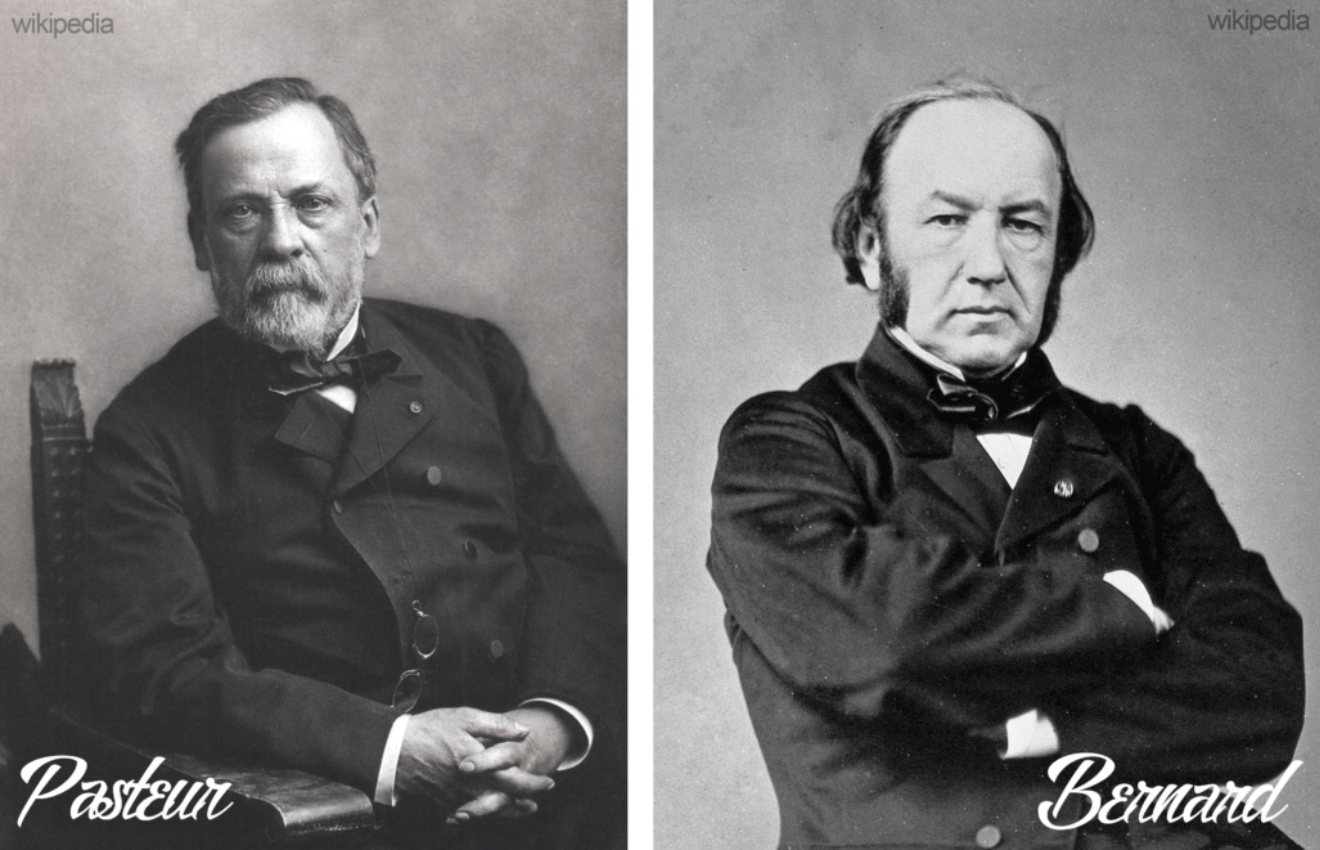
In the late 1800s, two prominent doctors presented contrasting theories about the causes of disease. Louis Pasteur, well known for developing pasteurization to kill bacteria in milk, taught that diseases resulted from being invaded by external organisms.

Conversely, Claude Bernard proposed that the primary factor in disease development was the loss of homeostasis—a balanced state within the body’s internal environment.

Studies in the new field of psychoneuroimmunology harken back to Bernard’s theory, confirming that certain thoughts, beliefs, and emotions generate an imbalance and can have a profoundly negative impact on our health and functioning. The stress from these factors significantly disrupts our body’s homeostasis, leaving us vulnerable to physical diseases, mental illnesses, poor health habits, addictions, and even strained relationships. A considerable portion, or even most, of our sickness and unhappiness, can be traced back to these imbalances. Our ways of thinking, reacting, speaking, and behaving block our healing and wellness!

In other words, science is proving the value of Self-healing. By intentionally engaging in self-healing practices, we can first learn and use specific Mind-Tools to melt away our stress into deep relaxation and meditation states. Next, through Guided Imagery and Mental Image Rehearsal, we can reshape our thinking patterns and transform our reactions to challenging stimuli. Moreover, these same tools can be used to create healing imagery that addresses past wounds and programs a future filled with optimal health. In this state,  we respond wisely and appropriately to challenging situations instead of falling victim to unhealthy habits and addictions.

And to boot, this entire process is relaxing, enjoyable, empowering, and energizing! Self-healing is a holistic approach to well-being that will empower you to tap into your inner healing potential. Take an active role in your health by promoting the mind-body connection and unlocking the immense power within you to rejuvenate, restore, and thrive.

Listen to samples of the “Self-Healing Guided Imagery” audios below.

What Is Guided Imagery?

What Is Guided Imagery?

Guided Imagery is:

1. A self-help or therapeutic intervention during which you visualize or imagine yourself experiencing positive and healing events, memories, or scenarios that are suggested, in order to create healthy physiological and psychological changes.

2. The least expensive, safest, and often most effective way to resolve most illnesses and create the future you most desire.

3. An effective tool in the process of going beyond mere symptom relief to impact the actual source of illness.

In fact, guided imagery is all of these, as you can discover for yourself.

One of the prime purposes of Dr. Miller’s work is to show you how to heal yourself using guided imagery audio experiences! Perhaps the best and quickest way to gain an understanding of guided imagery is to listen to this guided imagery experience below.  Your experience is the best teacher.


The Origin of Guided Imagery

Early in Dr. Miller’s career, he discovered that if patients are taught how to relax and direct their thoughts in certain positive, healing ways (Selective Awareness), they can reach deep relaxation and use the skill of Guided Imagery to heal and create change. Millions have discovered that they can best learn Guided Imagery skillsby usingthe  CDs,  DVDs, guided meditation mp3 downloads, and streaming meditations Dr. Miller has created to enter the Healing State. You can too!

Dr. Miller’s soothing voice will guide you through a carefully selected sequence of imagery experiences–scenarios designed to create positive physical, mental, emotional, behavioral, and relational changes. As you listen to these guided imagery exercises on a daily basis, you will gradually rescript your mind, rewire your brain, and create healing change in the cells of your body.

Guided imagery meditations are effective for reducing stress and tension, and have been clinically proven to:

Reduce stress and improve health

Increase depth and speed of healing

Enhance wellness

Awaken self-awareness

Improve self-respect, self-confidence, and self-esteem

Optimize creativity

Inspire peak performance in your daily life for you and your family

Through using Dr. Miller’s Mind-Tools, you will discover how using guided imagery exercises can lead to deep self-healing through wise and empowering positive thoughts and mental images. Through a special process he developed, called Selective Awareness, you will learn how to use mindfulness to heal your body and mind. You will also learn how to create peak physical and mental performance and tap into your inner spiritual resources, taking your health and happiness to a higher level.

Common Goals of Guided Imagery

Deep relaxation of muscles and other organs

Ability to let your body work with you, not against you

Faster recovery from illness and injury

Improved athletic and creative performance

Stress reduction and anxiety relief

Improved quantity and quality of sleep

Richer spiritual connections

Elimination of self-destructive behaviors, habits, and addictions

Optimal performance–physically, mentally, and creatively

Increased capacity for communication and authentic relationships

Put Guided Imagery to Work for You Now

Browse our online store for guided imagery CDs and DVDs that address various symptoms and purposes, or instantly download mp3 audios.